



Keeping Screen Time in Check
June 09, 2022 | Tags:
We’re spending more and more of our time viewing screens. Whether it’s logging in, consuming videos or scrolling, liking and sharing social media posts, excessive screen time can be harmful.
Medical Mutual’s team of doctors discuss the common physiological, social and developmental issues associated with screen time and how you can strike a healthier balance.
Screen time and its effects on children and teens
Parents often are concerned about how screen time affects their children’s development. In early childhood, the relationship your child has with the content they watch and for how long can negatively influence their language skills as well as speech, cognitive and social developments.
Children focused on screens have fewer and, oftentimes, poor-quality interactions with other people. Fewer exchanges give children fewer chances to practice and develop these skills. Children’s physical, emotional and mental health can also be affected by increased screen time, including links to increased:
- Obesity
- Cardiometabolic diseases, like high blood pressure and high cholesterol
- Sleep issues
- Depression
- Anxiety
While gaming groups can foster friendships, children with their nose in a phone, tablet or video game can see decreased social coping skills. For teens, screen time has been linked with a negative impact on memory retention, inhibition and being able to switch between tasks.
Health risks associated with screen time
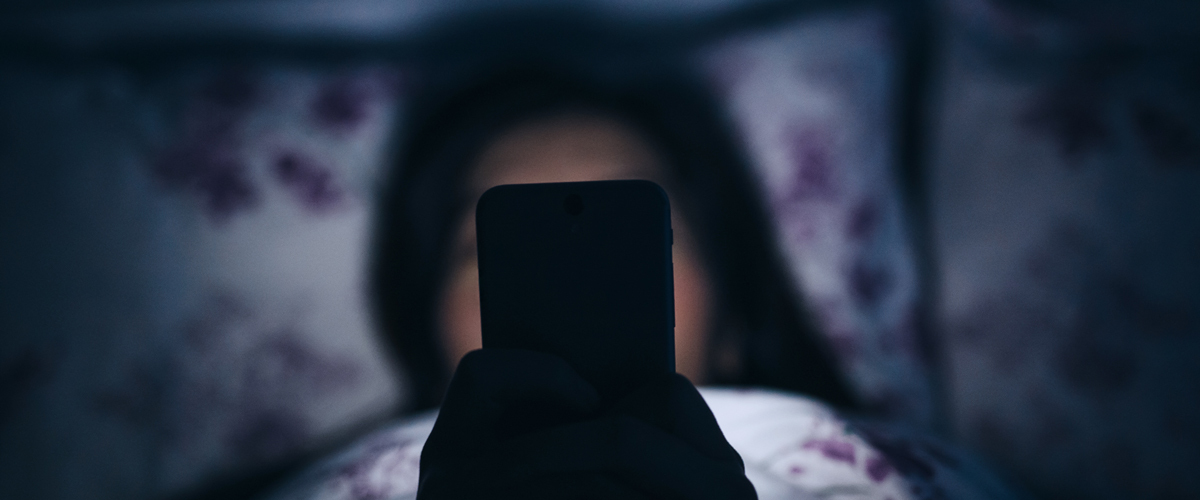
The screen itself is an issue, too. Blue light exposure, especially during nighttime, disrupts our natural circadian rhythm, aka the body’s biological clock. It confuses our bodies and suppresses melatonin, which can affect REM (rapid eye movement) sleep. REM is important because it’s the restorative part of our sleep cycle. Consider the following to limit blue light exposure:
- Avoid bright screens two to three hours before bed.
- Wear blue-blocking glasses or install an app on your device that filters blue lights at night.
- Seek lots of bright, natural light during the day to not only boost your mood and alertness, but your body’s ability to sleep later.
- Install red night lights as the color is less likely to affect your circadian rhythm.
Getting restful sleep isn’t the only thing that’s impacted. Whether it’s a result of sleep disruption or increased cortisol levels causing more stress, screen time can have a negative effect on mood, too. Is there any amount of screen time that is healthy? Absolutely. Medical Mutual’s doctors recommend screen time for children with the following ages:
- Under age 2: Avoid screen time.
- Children 2 to 5: One hour each day.
- Children age 5 to adults: Two hours a day during the week and three hours a day on weekends.
Make device time intentional and avoid mindlessly snacking while scrolling. Create tech-free zones or times, like during meals or designated days throughout the week. Parents can also lead by example by modeling healthy screentime habits.
Making impactful changes for your family
If you’re ready to change how much screen time your family indulges in, making small, incremental reductions is easiest to tolerate and will help you succeed in the long term. Set alarms to remind yourself to get up, move around, take a break and change to a non-screen task. Seek support from friends who are interested in getting out and doing things. Other tips include keeping screens out of the bedroom and unplugging two hours before bed.
Now that you’ve put your screens away, are you looking for something to do with your newfound free time? Outdoor or physical activity are always great options, whether it’s hiking, biking, sports, walking or yoga. Pick what works best for you and your health! Creative hobbies like art, listening to music or reading are all great options, too. Talk to your PCP about ways to help limit screen time. If you don’t have a PCP, Medical Mutual can help. Use our Find a Provider tool on My Health Plan to find one in your plan’s network or call the Customer Care number listed on your member ID card.